
About Us
Lanzani: a mechanical workshop inNova Milanese since 1966
About Us
Giuseppe Lanzani founded Lanzani S.r.l. in 1966 as a workshop for the maintenance of mechanical machinery and industrial plant. When his son Gabriele joined, the company moved into more complex mechanical and metalwork processes: turning, milling, drilling, broaching, and both robotic and manual welding.
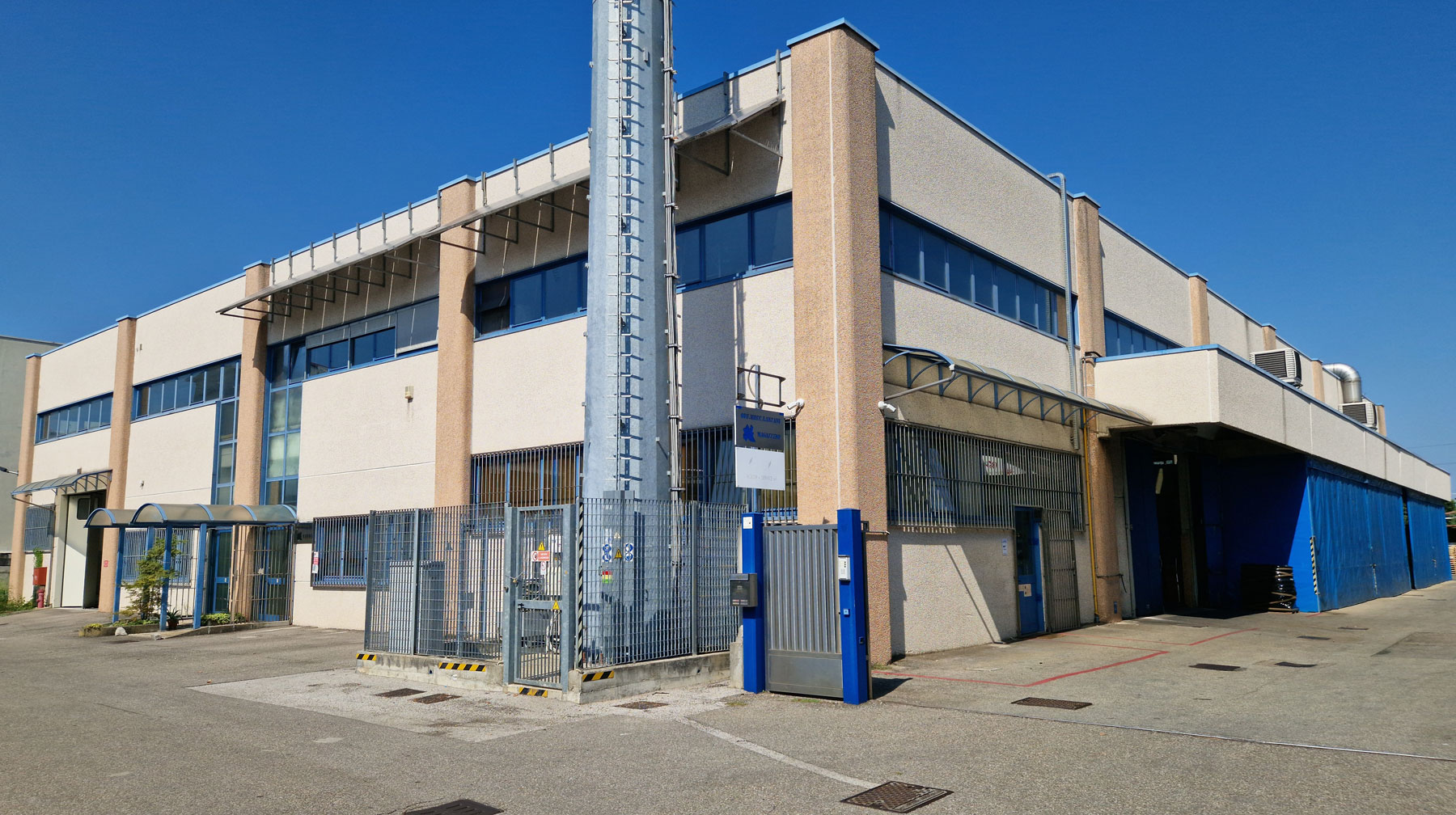
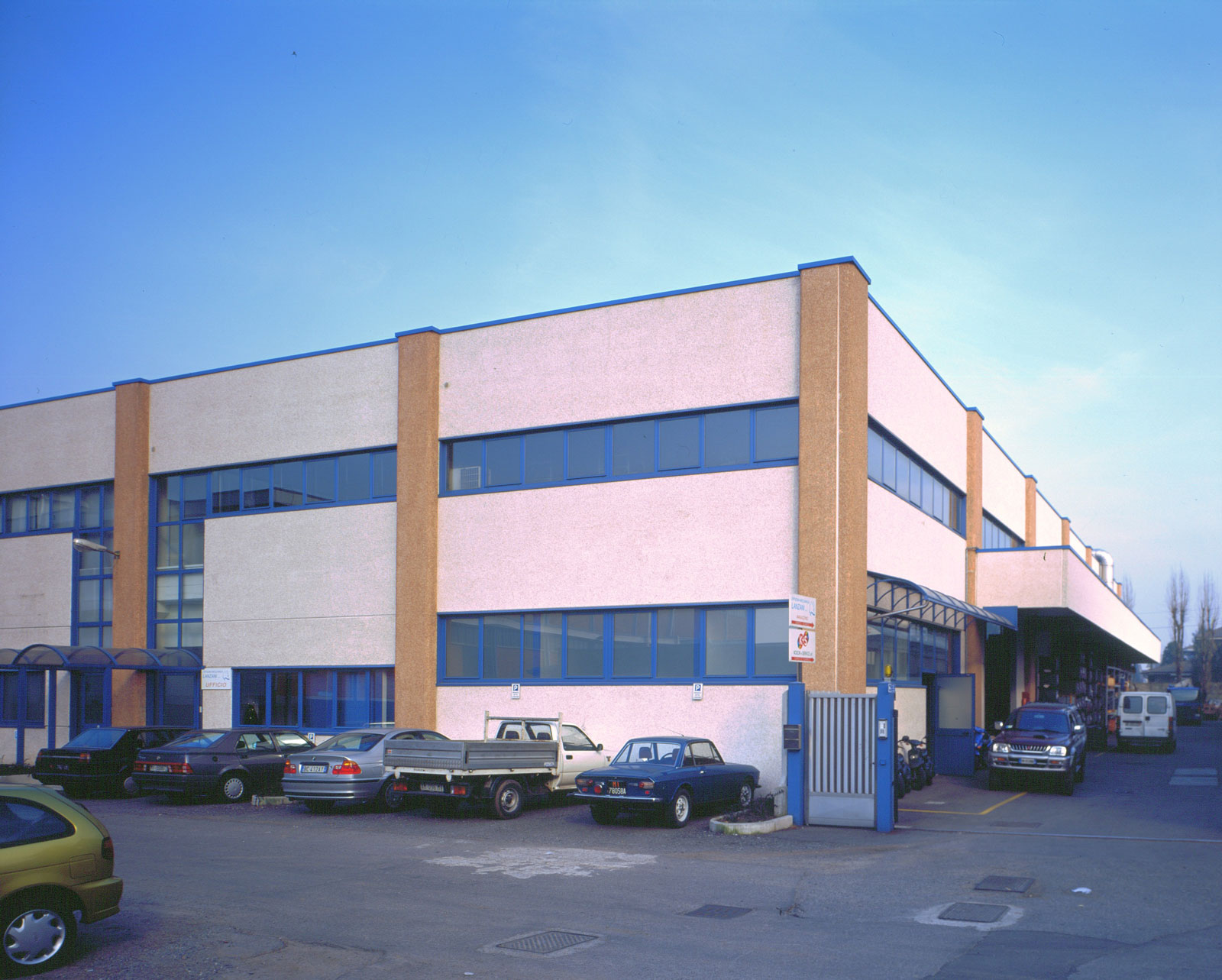
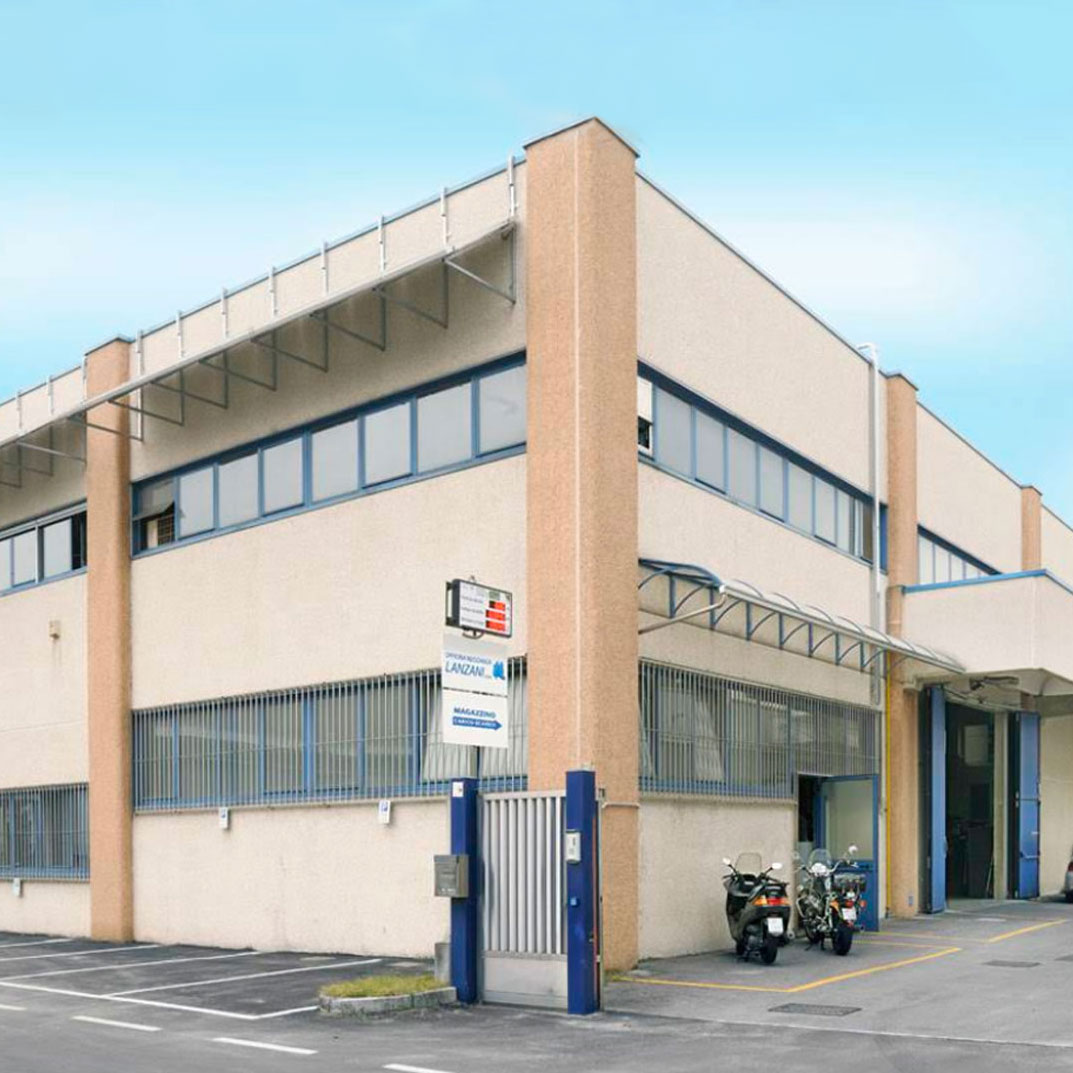
Lanzani S.r.l. has operated from its current production site since 1999. In the early 2000s the company added the manufacture of brushes and spare parts for road sweepers to its machining work. The Scrubby industrial brush dates from the same period and was one of the first of its kind in Italy.
Carlo and Marco Lanzani, the founder’s grandchildren, joined the company in 2010. Lanzani has been selling brushes and spare parts outside Italy since that year.
From an artisanal workshop to a continuously evolving industrial reality.
years of experience
satisfied customers
custom projects realized
customer loyalty
Production site
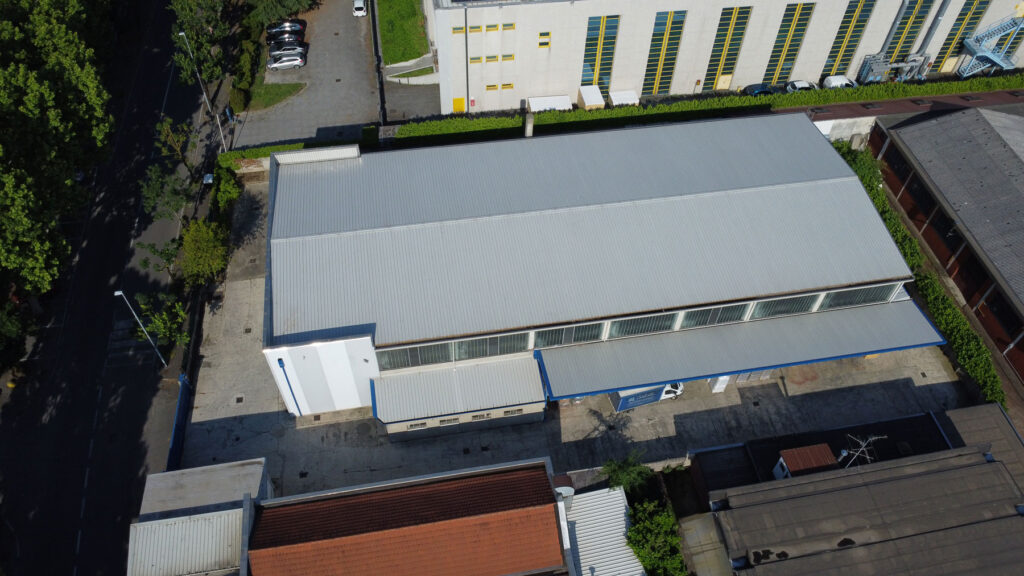
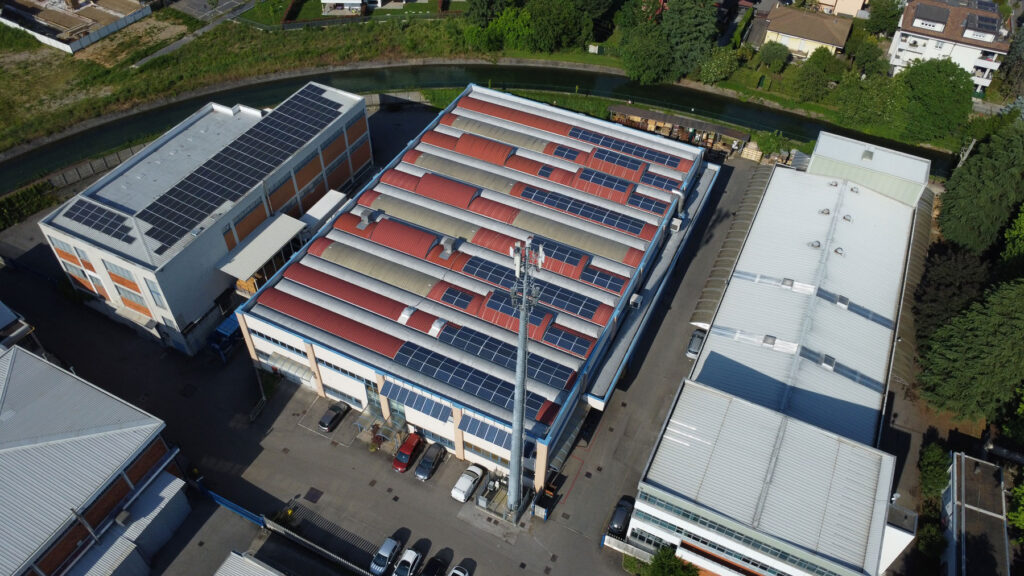
Lanzani S.r.l. manufactures in Nova Milanese, in the province of Monza e Brianza, in a facility of approximately 1,300 m². The company opened a further 1,200 m² warehouse for logistics and storage in 2021. Ten skilled workers and technicians work at the site, which is reached from the northern, eastern and western ring roads around Milan.
Lanzani S.r.l. installed its first photovoltaic system in 2011. Following the 2025 expansion, the system covers almost all of the plant’s energy demand.
Company timeline
- 1966 —Giuseppe Lanzani founds the workshop in Nova Milanese, servicing mechanical machinery and industrial plant. His son Gabriele joins; the company moves into turning, milling, drilling, broaching and welding.
- 1999 — Move to the current production site.
- Early 2000s — Production of road sweeper brushes and spare parts begins, along with the Scrubby industrial brush. .
- 2010 — Grandchildren Carlo and Marco join; export sales begin.
- 2011 — First photovoltaic system installed.
- 2021 — A 1,200 m² warehouse opens.
- 2025 — Photovoltaic expansion covers almost all of the plant’s energy demand.

